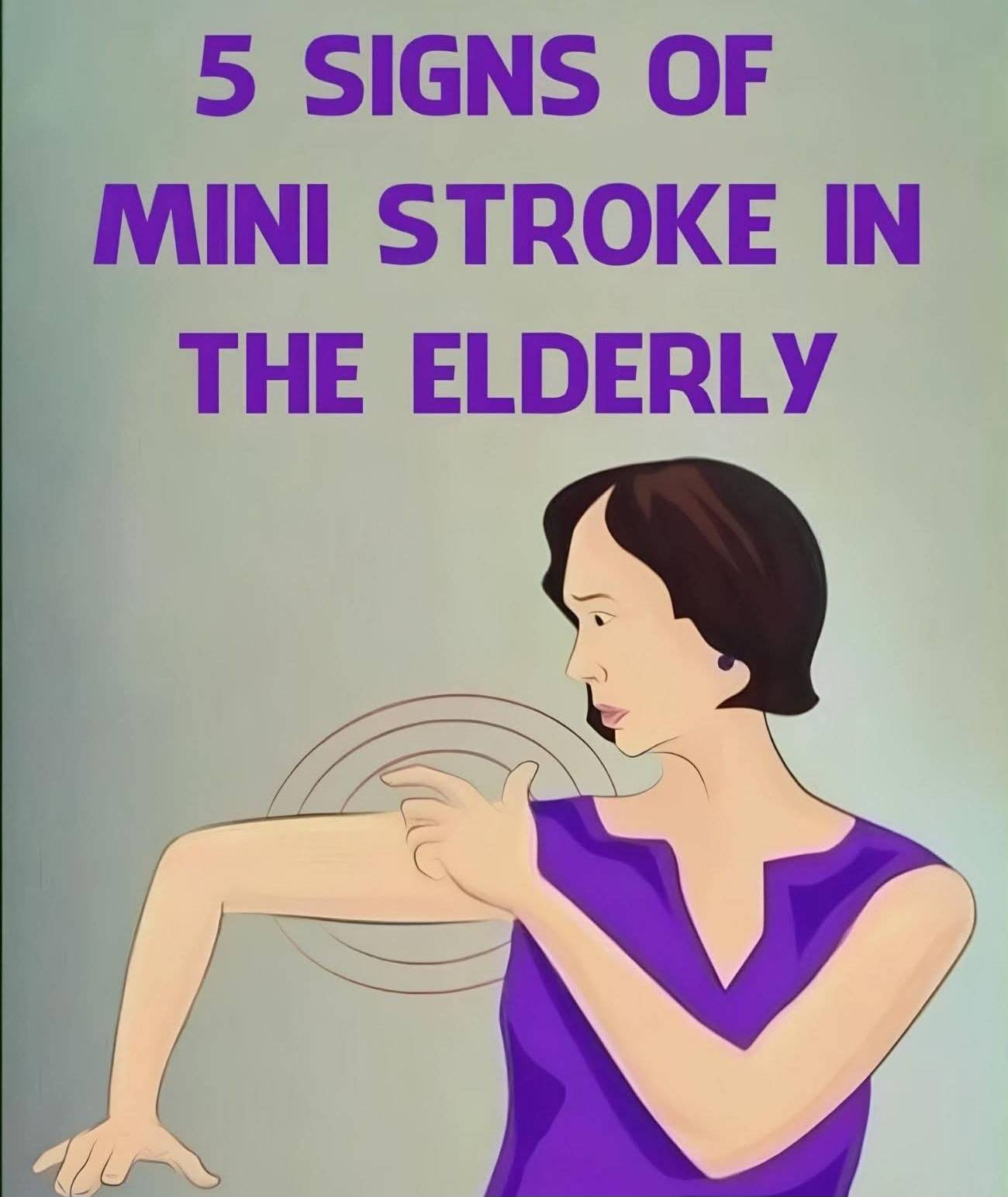
Certain factors increase the risk: high blood pressure, diabetes, high cholesterol, smoking, and heart conditions. Anyone who experiences these warning signs should seek immediate medical help. Even if the symptoms vanish, the danger has not passed. Quick action can prevent permanent brain damage and even save a life.
A mini-stroke is never “just a moment.” It is a quiet, urgent message from the body — a reminder to act swiftly out of love and responsibility. Recognizing the signs early doesn’t just protect health; it preserves independence, dignity, and precious time with the people we hold dear.
