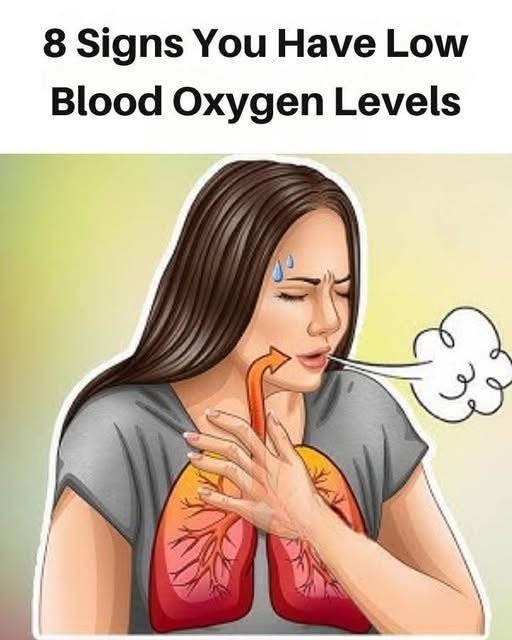
Oxygen is essential for sustaining life, playing a critical role in powering every cell and organ in the body. When blood oxygen levels fall—a condition known as hypoxemia—it disrupts this vital process and can lead to serious health problems. Early detection and understanding of low oxygen levels are key to maintaining good health and preventing complications.
Hypoxemia arises when the blood contains insufficient oxygen, impairing bodily functions. It may be triggered by chronic respiratory conditions like asthma, COPD, and pneumonia. Other contributors include smoking, which diminishes oxygen transport efficiency, and sleep apnea, which causes periodic breathing interruptions. Stress, poor diet high in sugar, and nutrient deficiencies—especially in iron, B vitamins, and vitamin C—also reduce oxygen delivery to cells.
Continue reading…
