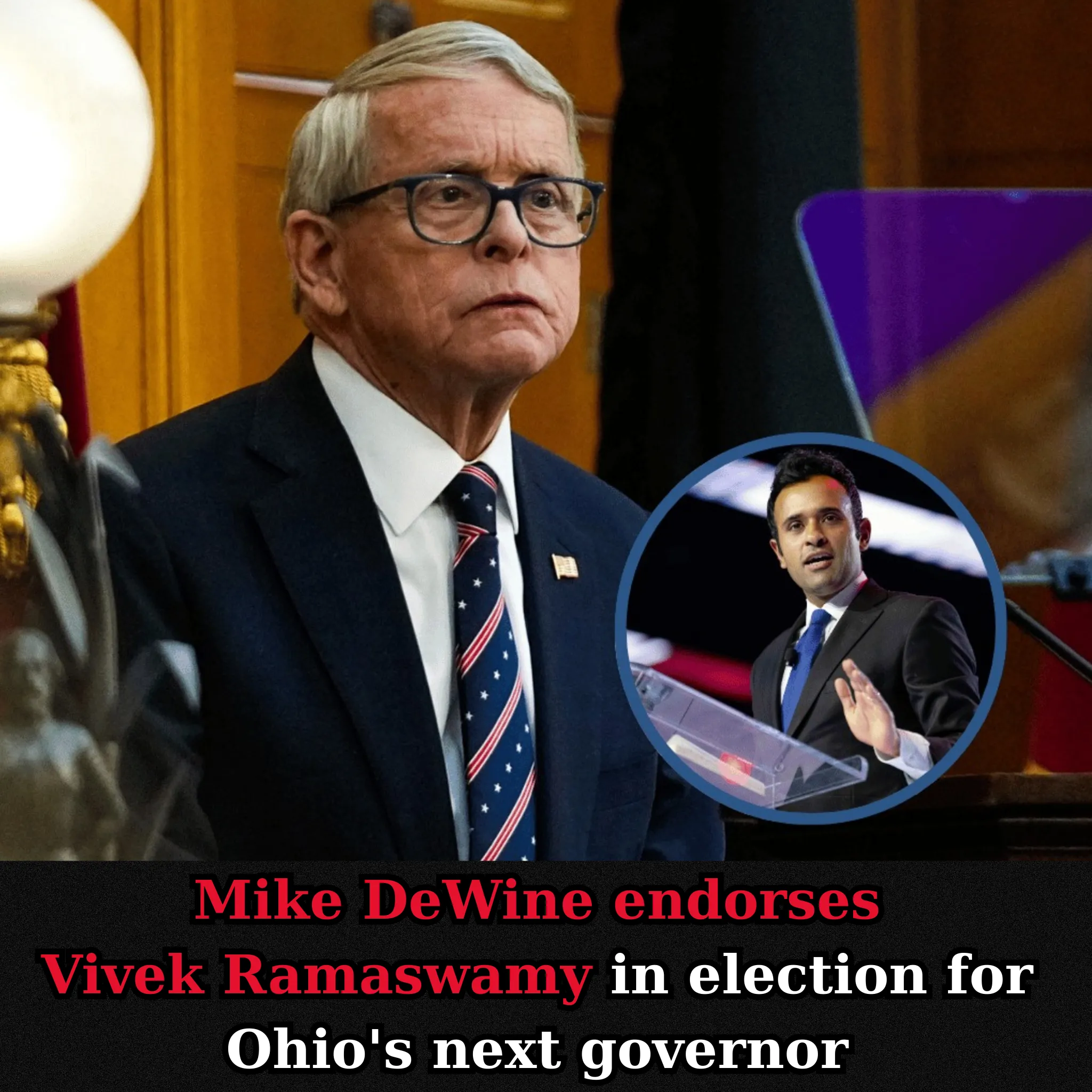
Democratic candidate Dr. Amy Acton, the former Ohio Health Director, has seized on DeWine’s endorsement as a political weapon, framing Ramaswamy as too extreme and too aligned with partisan agendas. Acton’s campaign argues that DeWine’s support further polarizes the race and ignores the concerns of Ohio families dealing with affordability, education, and healthcare access.
Acton’s campaign manager released a statement calling Ramaswamy’s platform “out of step with what Ohioans truly need,” and emphasizing Acton’s focus on practical solutions over political theater.
Political analysts say DeWine’s endorsement could significantly reshape the dynamics of the 2026 governor’s race. On one hand, it gives Ramaswamy a clear edge in fundraising, party infrastructure, and voter outreach. On the other, internal GOP divisions and criticisms from conservative purists could temper that advantage.
No matter what, Ohio’s political terrain is rapidly evolving: the state has become a key battleground for broader national trends, including debates over economic policy, cultural identity, and the role of government in daily life.
With the primary election scheduled for May 5, 2026, and the general election set for November 3, 2026, DeWine’s endorsement marks a new chapter in a race that will likely be closely watched not just in Ohio, but across the national political landscape.
Gov. Mike DeWine’s endorsement of Vivek Ramaswamy is more than a routine political move — it’s a declaration of party direction, a consolidation of establishment and outsider forces, and a defining moment in Ohio’s pivotal 2026 governor’s race. As campaign narratives sharpen and voter engagement rises, this endorsement may be remembered as the catalyst that either propelled Ramaswamy forward or energized opposition forces determined to reshape Ohio’s future.
Tennis Australia Launches Investigation Into Coco Gauff After Flag-Related Incident Stuns the Tennis World.D1
The stadium was buzzing with celebration—until one unexpected moment flipped the mood entirely. Coco Gauff, one of tennis’s brightest and most widely admired stars, suddenly found herself at the center of controversy after a flag-related incident that stunned fans, officials, and broadcasters alike. Within hours, Tennis Australia confirmed it had launched a formal investigation, sending immediate shockwaves through the tennis world.
What made the moment so jarring wasn’t just the action itself—but the timing, the stage, and the silence that followed.
Within minutes, social media exploded.
Clips were replayed endlessly. Screenshots were dissected frame by frame. Fans, commentators, and former players rushed to interpret the gesture, each drawing sharply different conclusions. Some called it a misunderstanding blown out of proportion. Others argued it carried symbolic weight. A third group questioned whether the reaction itself was excessive.
Tennis Australia’s response added gravity to the situation. By confirming a formal investigation, officials signaled that the matter was being treated seriously, regardless of intent. In a sport governed by strict codes of conduct and steeped in tradition, symbolism—especially involving flags—can carry consequences far beyond the immediate moment.
What remains unclear is intent.
Was it an emotional reaction in the heat of the moment? A misinterpreted gesture? Or a deliberate act meant to send a message? Gauff has not yet issued a detailed public statement, and her silence has only intensified speculation. In the modern sports landscape, absence of clarity often invites louder narratives—and not all of them are fair.
Analysts have urged caution. Several former players emphasized that context matters and warned against rushing to judgment before all facts are known. Others noted that athletes today operate under unprecedented scrutiny, where a single moment can eclipse years of positive contributions. Gauff, after all, has consistently been praised for her sportsmanship, humility, and awareness of her platform.
Still, the investigation looms large.
